
Have you ever noticed joint pain that just refuses to go away? Or stiffness that makes getting out of bed harder than it used to be? Many people live with these problems longer than they should, assuming they’re a normal part of aging, work stress, or a busy lifestyle. In reality, these signs often point to underlying musculoskeletal issues that need medical attention.
Orthopedic problems affect the bones, joints, muscles, ligaments, tendons, and spine. When ignored, they can slowly limit movement, increase pain, and affect overall quality of life. Knowing when to consult an orthopedic doctor in Nagpur can make a real difference, early care often leads to better recovery and fewer long-term complications.
This guide explains the key signs and situations where seeing an orthopedic specialist is the right step.
Understanding What an Orthopedic Doctor Treats
Bones, Joints, and Muscles: More Than Just Fractures
Orthopedic care is not limited to broken bones. Orthopedic doctors diagnose and manage conditions related to joint pain, muscle strain, ligament injuries, spine disorders, and degenerative conditions. Problems that affect movement, posture, and physical function often fall under orthopedic care, even when there is no visible injury.
Common Orthopedic Conditions Seen in Nagpur
In day-to-day practice, orthopedic doctors commonly see patients with:
- Knee and back pain related to lifestyle or aging
- Shoulder and neck pain due to posture or repetitive work
- Arthritis and joint degeneration
- Sports and accident-related injuries
- Spine-related nerve compression
These conditions often worsen gradually, making early evaluation important.
Persistent Pain That Should Not Be Ignored
Joint Pain Lasting More Than a Few Days
Occasional aches can happen after physical activity. However, pain that lasts for weeks or keeps returning is not normal. Long-lasting joint pain may be linked to cartilage damage, ligament strain, or early arthritis. Painkillers may reduce discomfort temporarily, but they do not address the underlying cause.
Back or Neck Pain Affecting Daily Activities
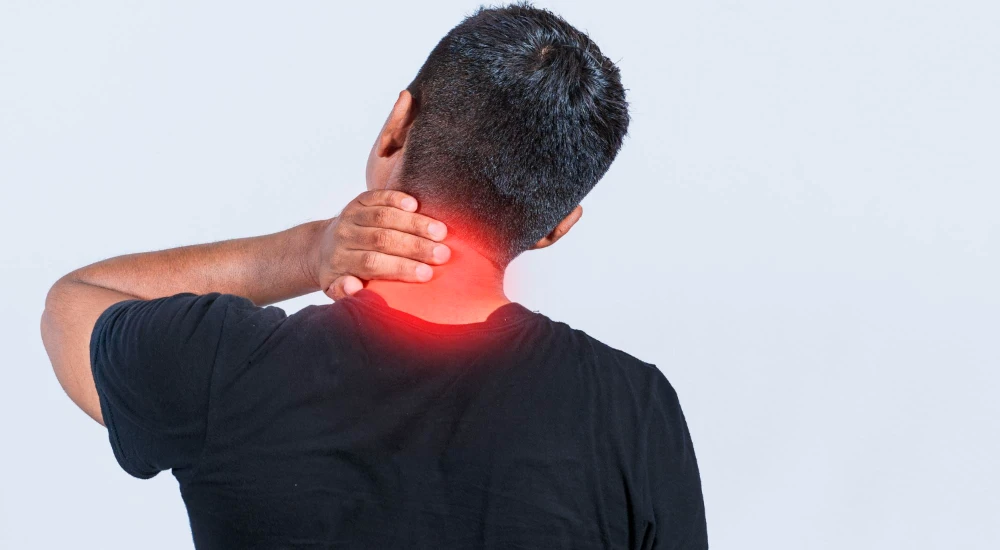
If back or neck pain starts interfering with work, sleep, or simple movements like bending or turning, it needs medical evaluation. Chronic spine-related pain may be associated with disc problems, muscle imbalance, or nerve involvement.
Pain That Keeps Returning
Pain that improves briefly and then comes back is often a sign that the root problem remains untreated. Recurrent pain usually requires proper diagnosis and a structured treatment plan rather than repeated rest or medication.
Difficulty in Movement or Reduced Mobility
Stiffness in Knees, Shoulders, or Hips
Morning stiffness or difficulty moving a joint after rest can be an early sign of joint degeneration or inflammation. Over time, stiffness can reduce flexibility and limit daily activities.
Trouble Walking, Climbing Stairs, or Standing
Struggling with routine movements such as climbing stairs, standing for long periods, or walking without discomfort may indicate knee arthritis, hip problems, or spine-related conditions. These symptoms should not be ignored, especially if they are gradually worsening.
Swelling, Inflammation, or Visible Changes
Swollen Joints That Don’t Settle
Swelling that lasts for days or keeps coming back may indicate joint inflammation, fluid buildup, or internal injury. Persistent swelling often requires imaging and clinical evaluation.
Deformity or Change in Joint Shape
Visible changes such as joint misalignment, uneven posture, or changes in walking pattern can signal structural problems. Early assessment helps prevent further joint damage.
Injuries From Accidents, Sports, or Falls
Pain After a Fall or Road Accident
Even minor falls or accidents can cause ligament tears, muscle injuries, or hairline fractures. Pain that continues beyond a few days should always be examined by an orthopedic doctor.
Sports Injuries That Limit Performance

Repeated sprains, shoulder instability, or knee injuries during sports often indicate unresolved weakness or improper healing. Orthopedic evaluation helps identify the exact cause and reduce the risk of future injuries.
Numbness, Tingling, or Weakness
Tingling in Arms or Legs
A tingling or “pins and needles” sensation can be linked to nerve compression, often originating from the spine. These symptoms should be evaluated early to prevent nerve damage.
Weak Grip or Sudden Loss of Strength
Weakness in the hands, arms, or legs is not normal and may suggest nerve or muscle involvement. Prompt orthopedic assessment is essential in such cases.
When Home Remedies and Medications Stop Working
Painkillers Providing Only Temporary Relief
If pain relief lasts only a few hours or days, it usually means the underlying issue has not been treated. Long-term reliance on painkillers can mask symptoms and delay proper care.
Physiotherapy Not Giving Expected Results
While physiotherapy is effective for many conditions, lack of improvement may indicate the need for further investigation or a different treatment approach under orthopedic supervision.
Age-Related Joint and Bone Problems
Knee Pain in Middle Age and Seniors
Wear-and-tear changes in joints become more common with age. Early diagnosis of arthritis or joint degeneration can help slow progression and maintain mobility.
Bone Weakness and Repeated Fractures
Frequent fractures or bone pain may be linked to reduced bone strength. Orthopedic care focuses on both treatment and prevention of further injury.
Why Early Consultation With an Orthopedic Doctor in Nagpur Matters
Preventing Surgery Through Timely Treatment
Many orthopedic conditions respond well to early, non-surgical treatment. Delaying care may limit these options.
Faster Recovery and Better Quality of Life
Timely diagnosis leads to targeted treatment, quicker recovery, and improved movement helping patients stay active and independent.
How to Prepare for Your First Orthopedic Visit
Symptoms and Pain History to Share
Noting when the pain started, what worsens it, and any past injuries helps the doctor understand the condition better.
Reports, X-Rays, or Previous Medical Records
Bringing previous test reports or prescriptions allows for more accurate evaluation and avoids unnecessary repeat tests.
Take the Next Step Toward Better Joint Health
Living with pain or limited movement is not something you should accept as normal. If you’re experiencing ongoing joint pain, stiffness, or mobility issues, an orthopedic evaluation can help identify the cause and guide the right treatment.
For patients seeking expert orthopedic care in Nagpur, Dr. Laghvendu Shekhar focuses on careful evaluation, evidence-based treatment, and patient-centered care.
If pain or movement issues are affecting your daily life, consider scheduling an orthopedic consultation to get clarity and the right medical guidance before the problem becomes more serious.