
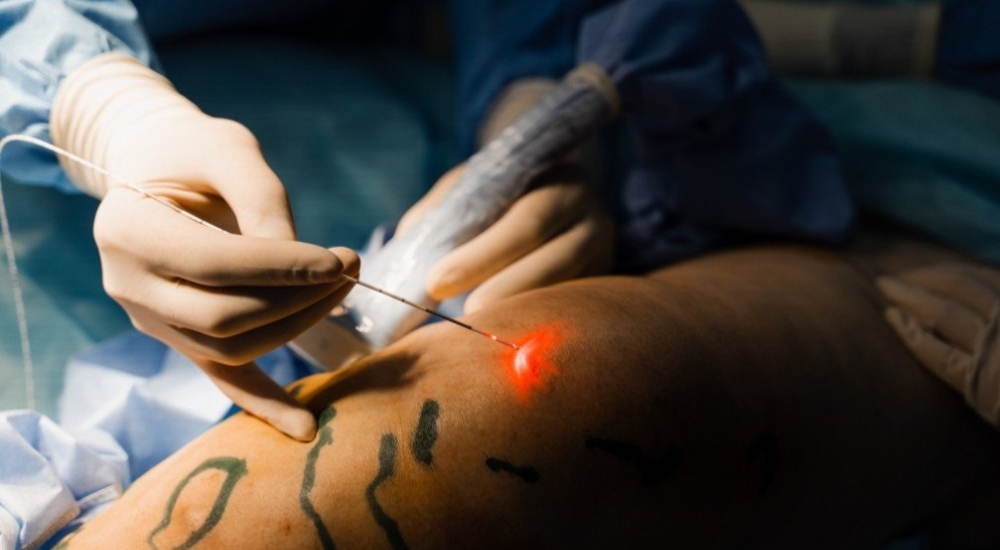
The landscape of orthopedic medicine has undergone a remarkable transformation in recent years, primarily in how pain is managed across various types of orthopedic surgery. Innovative zero-pain techniques have fundamentally changed patient experiences, making procedures that were once dreaded for their painful recovery considerably more tolerable.
From joint replacements to spinal procedures, these advancements represent one of the most significant improvements in orthopedic care. The integration of sophisticated pain management protocols, minimally invasive approaches, and robotic orthopedic surgery has created a new paradigm where patients can undergo necessary treatments with significantly less discomfort and faster recovery times.
The Evolution of Pain Management in Different Types of Orthopedic Surgery
Historically, pain management following orthopedic surgeries was reactive rather than preventive. Patients undergoing different types of orthopedic surgery expected to experience significant discomfort as an unavoidable part of recovery. Traditional approaches relied heavily on systemic opioid medications, which, while effective at dulling pain, came with troublesome side effects including nausea, dependency risks, and cognitive impairment.
This one-size-fits-all approach failed to address the varying pain profiles of different orthopedic procedures and didn’t target the specific mechanisms causing discomfort in each case. The evolution toward zero-pain techniques represents a fundamental shift in how surgeons approach patient care across all types of orthopedic surgery.
Traditional Pain Management Challenges
The limitations of conventional pain control methods extended beyond just side effects. Inadequate pain management often results in delayed mobility, which is crucial for successful outcomes in many orthopedic procedures. Patients who are hesitant to move due to pain experienced slower rehabilitation, increased risk of complications, and ultimately longer hospital stays.
The psychological impact was equally significant. Patients’ fear of pain sometimes leads to the postponement of necessary procedures, resulting in further deterioration of their condition. For those who did undergo surgery, post-operative pain often contributed to sleep disturbances, anxiety, and diminished quality of life during recovery, sometimes leading to chronic pain conditions that persisted long after healing.
Breakthrough Zero-Pain Techniques Transforming Orthopedic Care
Modern zero-pain approaches represent a paradigm shift from simply reacting to pain to preventing it from occurring in the first place. This proactive strategy implements pain management before, during, and after surgery through carefully orchestrated protocols tailored to specific types of orthopedic surgery.
Today’s orthopedic surgeons collaborate closely with pain specialists and anesthesiologists to design comprehensive pain management strategies unique to each procedure and patient. These customized approaches consider the individual’s medical history, pain tolerance, and rehabilitation requirements to optimize both comfort and functional recovery.
Advanced Medication Protocols
One cornerstone of zero-pain techniques involves sophisticated medication approaches that go far beyond traditional painkillers. Long-acting local anesthetics can now be precisely delivered to surgical sites, numbing the area for up to three days after surgery. These extended-release formulations allow patients to begin physical therapy with minimal discomfort during the critical initial recovery period.
Peripheral nerve blocks have also revolutionized pain management for many types of orthopedic surgery, particularly those involving extremities. These targeted injections temporarily deaden sensation to specific body regions without affecting overall consciousness or function elsewhere, providing focused relief while reducing the need for systemic opioids.
Minimally Invasive Approaches
The surgical techniques themselves have evolved dramatically to minimize tissue trauma, which directly correlates with reduced postoperative pain. Arthroscopic and endoscopic procedures utilize tiny incisions and specialized instruments to accomplish what once required large, muscle-cutting exposures. This tissue-sparing approach preserves more of the body’s natural structures and dramatically reduces pain signals generated during healing.
Computer navigation and specialized instruments now enable surgeons to perform complex procedures through smaller incisions with greater precision. This decreased surgical footprint means fewer pain receptors are triggered, less inflammation occurs, and patients experience significantly reduced discomfort while recovering more quickly.
The Role of Robotic Orthopedic Surgery in Zero-Pain Outcomes
Robotic orthopedic surgery represents perhaps the most exciting frontier in the quest for truly pain-free procedures. These advanced systems provide surgeons with unprecedented precision and control, enabling them to execute surgical plans with submillimeter accuracy. This precision is directly linked to reduced postoperative pain through multiple mechanisms.
Robotic orthopedic surgery allows for optimal implant positioning, preventing abnormal stress on surrounding tissues, a common source of postoperative discomfort. The technology also enables surgeons to preserve healthier tissue and bone, creating less surgical trauma. Additionally, robotic orthopedic surgery typically requires smaller incisions and involves less manipulation of sensitive structures, further minimizing the pain response.
Technological Advancements Enhancing Surgical Precision
Beyond robotic assistance, numerous technological innovations are contributing to pain reduction in orthopedic surgeries. Three-dimensional printing now allows surgeons to create patient-specific cutting guides and implants that perfectly match individual anatomy, reducing intraoperative adjustments that can damage surrounding tissue.
Augmented reality systems help surgeons navigate complex anatomy with greater confidence and precision. These technologies, when combined with robotic orthopedic surgery, create truly cutting-edge surgical environments focused on minimal tissue disruption, resulting in less inflammation and pain during recovery.
Patient Benefits Beyond Pain Reduction
While pain control is a primary benefit, zero-pain techniques deliver numerous advantages beyond comfort alone. Patients undergoing various types of orthopedic surgery with these advanced approaches typically experience significantly shorter hospital stays, with many procedures now performed on an outpatient basis.
The reduced pain allows for earlier mobilization, which prevents complications and accelerates rehabilitation. The decreased need for opioid medications means fewer side effects and virtually eliminated dependency risks. Most importantly, these techniques are associated with improved functional outcomes—patients achieve better range of motion, strength, and return to activities more quickly.
Conclusion
The advancements in pain management across various types of orthopedic surgery have revolutionized patient care, making painless procedures a reality. By integrating multimodal medication protocols, minimally invasive techniques, and robotic orthopedic surgery, orthopedic teams have transformed traditional surgical experiences. These innovations not only enhance recovery but also minimize post-surgical pain, offering patients effective treatments with greater comfort.
At Shekhar Hospital, Nagpur, Dr. Laghvendu Shekhar leads the way in embracing these cutting-edge techniques. With over 25 years of expertise, the hospital delivers personalized, world-class care. Whether it’s joint replacement or arthritis management, zero-pain techniques promise a brighter future for orthopedic care.